
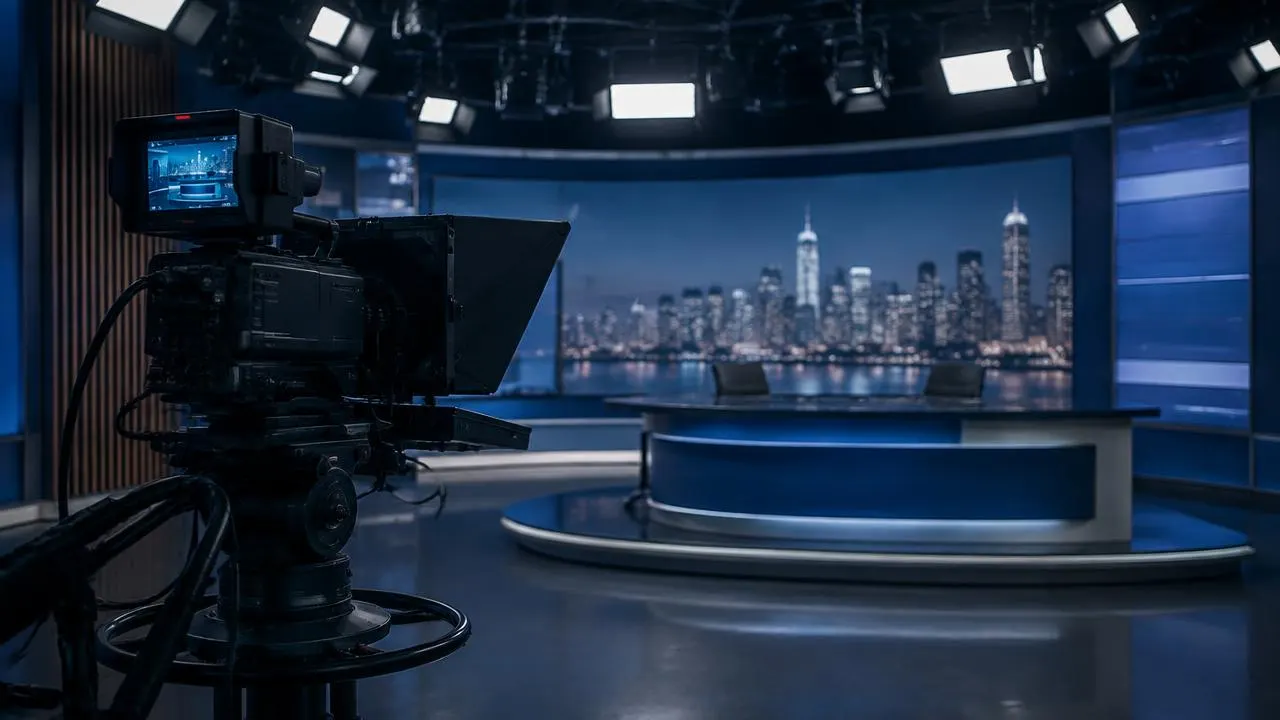
For many campaigns, television is the single largest line item in the budget. Yet the cost of political TV advertising is not a fixed price list — it is the product of market, timing, programming, audience, and the type of advertiser buying the time. This guide explains what determines the cost and how to plan a buy that makes the most of your budget.
Note: this article explains how pricing works rather than quoting specific rates. TV rates change constantly by market, station, program, and season, and any number published here would be misleading. A media buyer can obtain current rates for your specific markets.
The main factors that determine TV ad cost
Market size
Television is sold by Designated Market Area (DMA). Larger markets reach more households and generally cost more per spot. A race that spans several markets has to budget for each one — and voters outside your district may be paying attention to ads you are paying for.
Programming and daypart
A spot in local news or a high-rated live event costs more than one in overnight programming. The right placement depends on who watches, not just how many people watch.
Timing and demand
Prices respond to demand. In the final weeks of a competitive election cycle, many advertisers compete for limited inventory, and rates can rise significantly. Booking early, where strategy allows, can matter.
Frequency
Persuasion generally requires voters to see a message more than once. Campaigns plan buys around reach (how many people see the ad) and frequency (how often). Higher frequency goals require more spending.
Candidate rates: the lowest unit charge
Federal law gives legally qualified candidates an important protection. Under Section 315(b) of the Communications Act (47 U.S.C. § 315(b)), during the 45 days before a primary and the 60 days before a general election, broadcast stations may not charge a legally qualified candidate more than the station''s lowest unit charge for the same class and amount of time for the same period. The FCC''s implementing rules are at 47 C.F.R. § 73.1942.
Several points matter in practice:
- The protection applies to candidates and their authorized committees for uses by the candidate. Ads purchased by PACs, parties, and issue groups generally are not entitled to lowest unit charge and may pay higher rates.
- The rate depends on the class of time purchased. Preemptible time may be cheaper but can be bumped by higher-paying advertisers.
- Rules for cable systems and streaming platforms differ from broadcast rules. Campaigns should confirm terms with each seller.
Because these rules carry nuances, campaigns should work with an experienced buyer and consult counsel on compliance questions. (Sources: 47 U.S.C. § 315; 47 C.F.R. § 73.1942; reviewed October 2026.)
Production is a separate cost
Airtime is only part of the budget. Scripting, filming, editing, and versioning ads are separate production costs that vary with ambition and complexity.
How to plan a cost-effective TV buy
- Start with the target voters. Know who you need to persuade or mobilize before choosing programs.
- Match markets to the electorate. Weigh how much of each market''s audience lives in your district.
- Consider the full mix. Cable, connected TV, and streaming can reach specific audiences more efficiently in some cases.
- Plan the flight. Decide when to be on air — and when to save resources for the final stretch.
- Verify delivery. Confirm what actually aired and adjust as needed.
Learn more about our political TV advertising services and our broader approach to political media planning and buying.
Next step
Every market and race is different. Request a political media plan and we will walk through what a smart TV strategy looks like for your campaign and budget.